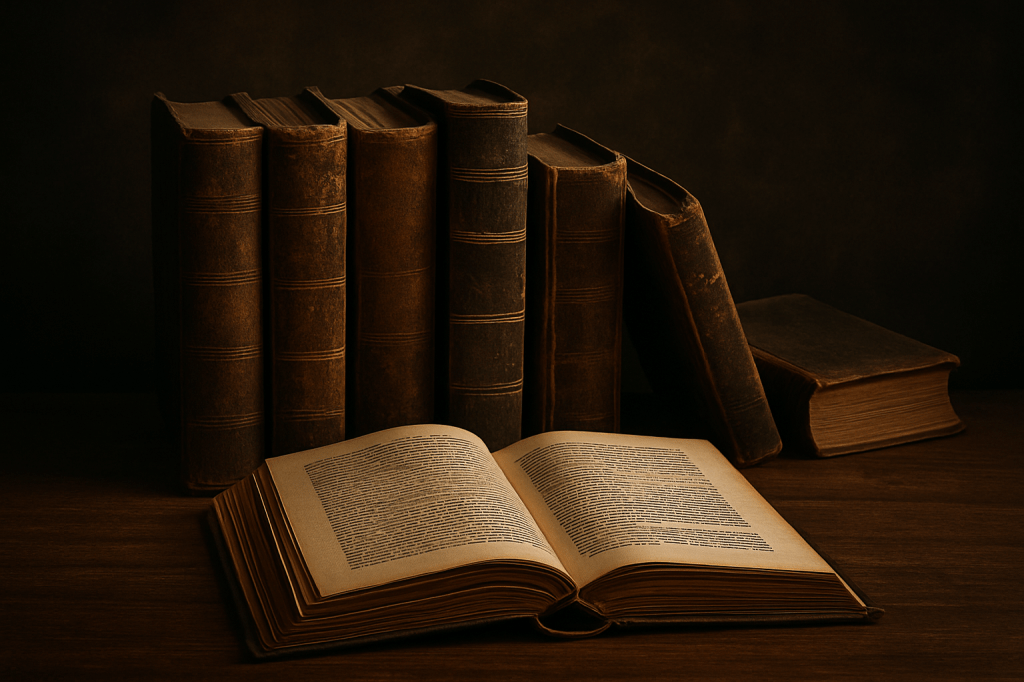
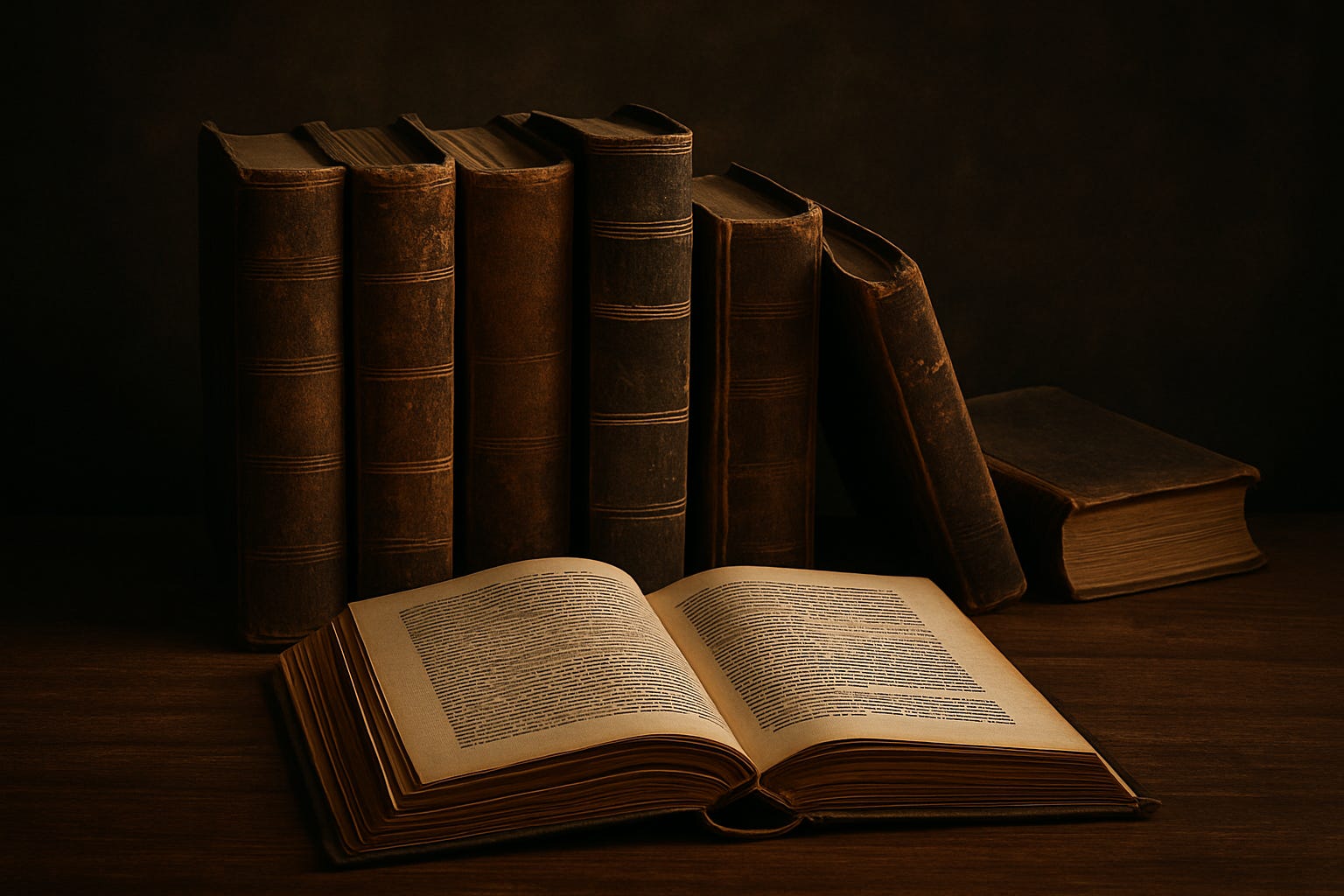
Some books sit on shelves. Others sit inside us.
The ones we return to, dog-eared and underlined, read in quiet moments when the world sleeps, do more than inform. They shape. They till. They prepare the soul for what only eternity can finish.
“Tell me what you read and I will tell you what you are.” That line is more than a clever observation. It is a spiritual diagnosis. In a culture obsessed with relevance, speed, and surface-level scrolling, slow and soul-deep reading becomes radical. And necessary.
Great books do not simply offer information. They offer formation. Not flashy answers or moral slogans, but the long obedience of becoming. As Seneca reminds us, books do not bestow virtue; they prepare us for it. They clear the ground. They make the soul ready.
Forming the Mind to Love What Is True
The first work of Great Books is to stretch the intellect and discipline it in the pursuit of truth.
“The distinctive faculty of man is his eager desire to investigate the truth,” so it is imperative that we read intelligently and remember that “the important thing is not to read, but to understand.”
“After all, it is a great thing one morning to wake up and know that we want to know anything and everything. For we are, by nature, as the medieval writers said, capax omnium, capable of knowing all things.” That gift from God allows the mind to pursue truth without compromise.
Still, reading is not meant to be hoarded. “Shame belongs rather to the bookish recluse, who knows not how to apply his reading to the good of his fellows.” The truths discovered in solitude must be brought into fellowship, spoken aloud, and lived. Truth must go public.
Training the Heart to Love What Is Good
Beyond sharpening the mind, great books stir the heart. They teach us to imagine virtue and to desire it.
Jeffrey said, “Anything (natural or human) which is noble and praiseworthy can be traced to the hand of God, whether the work be done by fellow believers or by the ungodly.” This means we cannot afford to divide the world into sacred and secular when it comes to wisdom and moral imagination. Wherever truth, beauty, or goodness is found, whether in the voice of a prophet or the pen of a pagan, we encounter echoes of the Creator.
Schall reminds us that “stacks of books are nothing if we have no idea how to choose among them.” Formation is not automatic. We are always being shaped, but not always toward what is good. The moral imagination must be trained with intention.
Great books offer images of courage, justice, sacrifice, and repentance. They reveal the tragic cost of vice and the radiant beauty of virtue. They teach us to admire what is worthy of imitation.
When stories stir sorrow over what is broken and joy over what is restored, the heart is learning to desire rightly. And desire is where all action begins. To awaken the moral imagination is to prepare the soul not just to know what is good, but to want it deeply enough to choose it.
Bowing the Soul Before What Is Eternal
The best books do not leave the reader puffed up with knowledge. They leave the reader quiet. They lead to wonder, to humility, to worship.
Schall writes that one must be prepared to be surprised by what is, because real learning is not control. It is surrender. Formation begins when the soul admits it is not the center.
Books that endure across generations make space for mystery. They do not give easy answers. They invite deeper questions. They remind the soul that wisdom cannot be forced, only received.
This is the work of reading rightly. Not to dominate, but to dwell. Not to perform, but to be transformed.
Read What Shapes Who You Are Becoming
“Tell me what you read and I will tell you what you are.” This is not passive observation. It is a charge. A mind filled with what is shallow will become shallow. But a soul nourished by what is true, good, and beautiful will be brought to life.
Formation is never for self-glory. It is for service, wisdom, and witness. Let the reading be careful. Let it be humble. Let it pursue the kind of soul that honors what is eternal.
Every book opened is already shaping what a person is becoming.
Which book shaped you most deeply, and how?
Leave a comment or reply. Let the conversation continue among those who read to become more fully alive.
Endnotes
- Gamble, Richard M., ed. The Great Tradition: Classic Readings on What It Means to Be an Educated Human Being. Wilmington, DE: ISI Books, 2007.
- Jeffrey, David Lyle. “The Pearl of Great Wisdom: The Deep & Abiding Biblical Roots of Western Liberal Education.” Touchstone: A Journal of Mere Christianity. Accessed May 31, 2025. https://www.touchstonemag.com/archives/print.php?id=20-08-025-f.
- Schall, James V. The Life of the Mind: On the Joys and Travails of Thinking. Wilmington, DE: ISI Books, 2006.


 Angelica Kajiwara
Leave a comment